
Blog · Guides
Polarized sunglasses: do you really need them at the beach?
Glare on the water, tired eyes, squinting: what polarized lenses actually do, when you need them and how to choose the right pair for the sea, boats and hikes.
What does “polarized” mean?
When sunlight hits a flat, shiny surface – the sea, a lake, a wet road, snow – it is reflected mostly horizontally. That is the white glare that makes you squint. A polarized lens contains a filter that blocks exactly this horizontal light: the glare disappears and colours become sharp again.
Don’t confuse two things: polarization removes glare, while UV400 protection filters ultraviolet rays. A good pair of sunglasses needs both.
Do you really need them at the beach?
Yes – that is exactly where you notice the difference most. With polarized lenses:
- you see below the surface: rocks, the seabed and fish become visible even from a boat or a pier;
- your eyes get less tired, because you don’t have to squint for hours;
- contrast improves, which helps when kayaking, paddleboarding or walking on rocks;
- you drive more relaxed on the coast road, with less glare from the tarmac.
The only time they can be annoying is when reading some displays (dashboards, tilted smartphones), which may look darker. Just rotate the screen slightly.
How to tell if sunglasses are polarized
The simplest test: look at a computer or phone screen through the lens and rotate the glasses 90 degrees. If the screen goes dark, the lens is polarized. Alternatively, look at a reflection on water or glass and tilt your head: with polarization, the reflection changes intensity.
Grey or green lenses?
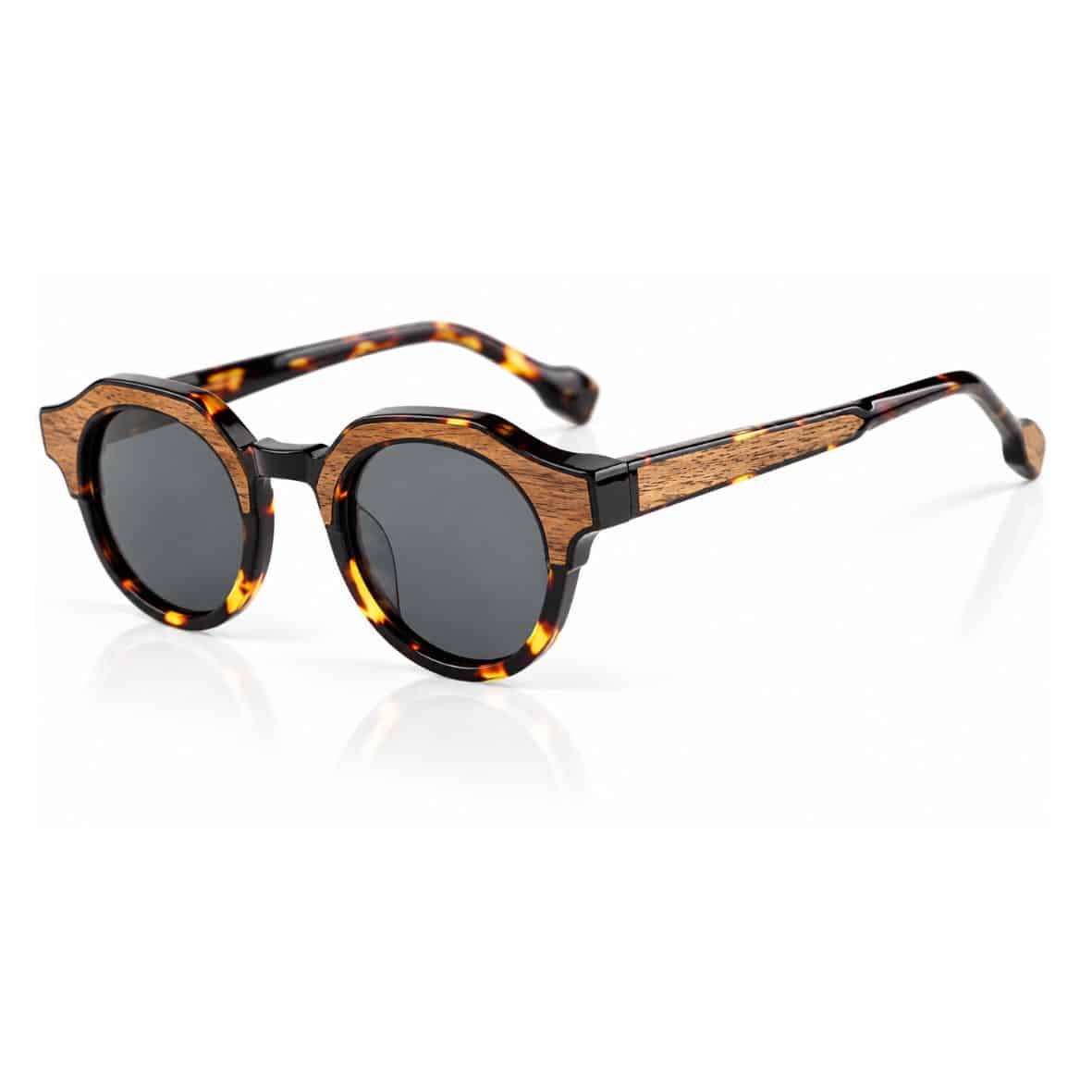
The lens colour changes perception, not protection. Grey lenses keep colours the most natural and are perfect for the strong Mediterranean sun. Green lenses add a little contrast and feel pleasant in changing light, in green forests or in the mountains.
And the frame?
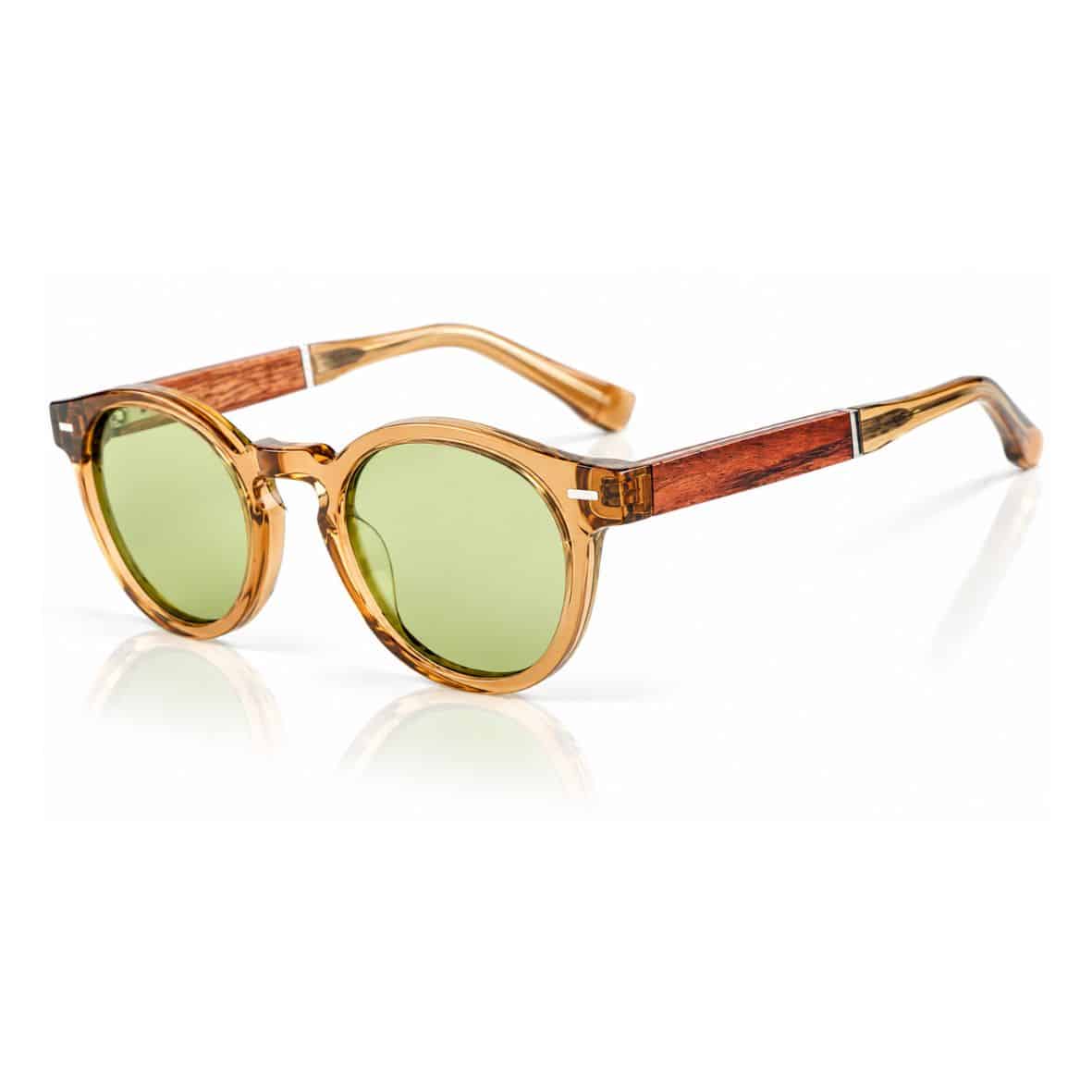
At the beach, sunglasses need to be light and comfortable for many hours. Our frames combine bio-acetate and wood – walnut, maple, oak, sapele or kosso – with spring hinges on many models. Wood doesn’t heat up like metal, and every pair has a different grain.

From our shop
Polarized sunglasses in tawny and walnut wood
- Green polarized TAC lenses, 1.1 mm
- UV400 protection
- Temples in multilayer walnut and maple wood
- Spring hinges
Prefer a sportier look? The wood and carbon fibre versions are light and tough, with grey polarized lenses. All our models have polarized lenses and UV400 protection: you’ll find them in our wooden sunglasses category.
From our shop
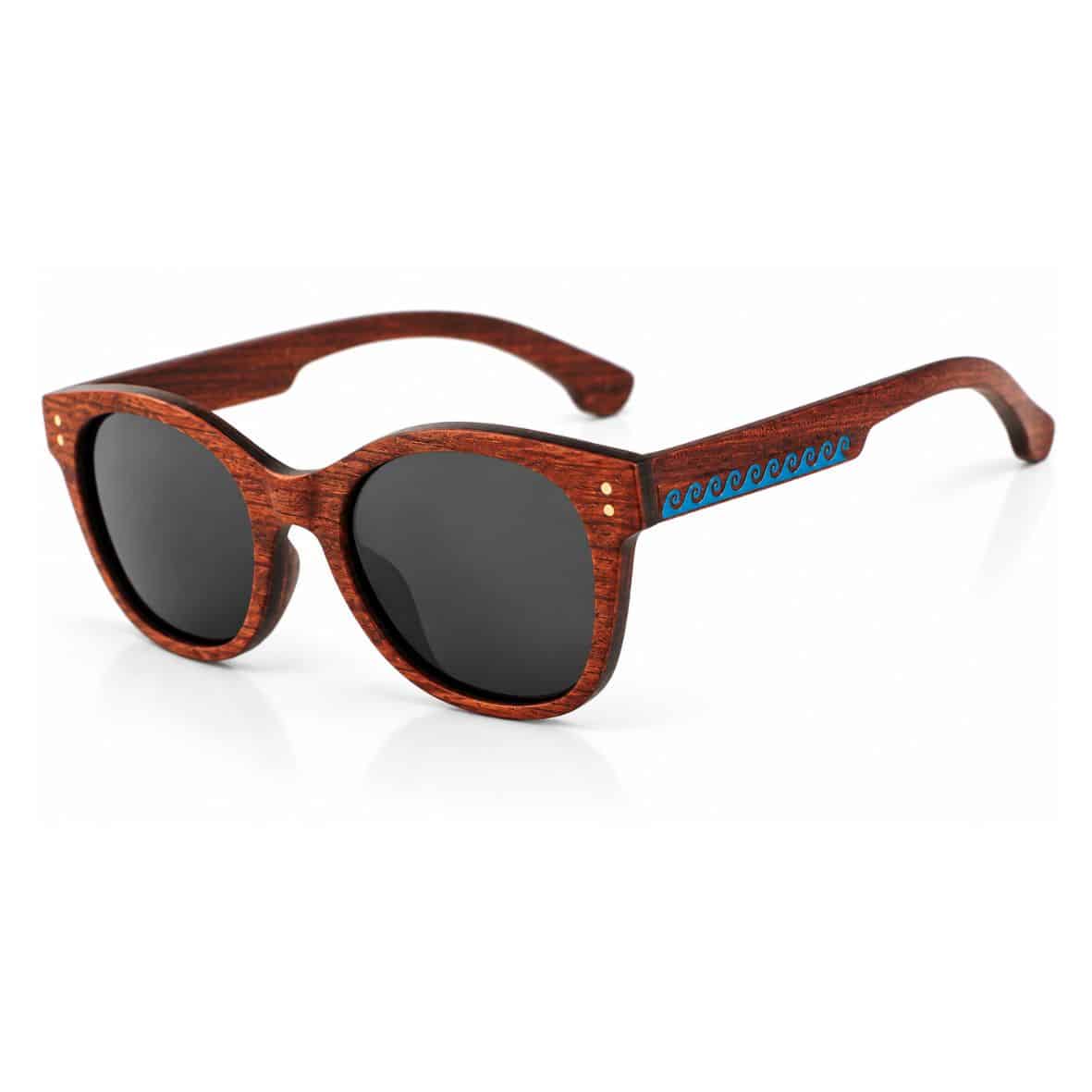
Walnut wood and carbon sunglasses – square frame
- Grey polarized TAC lenses
- UV400 protection
- Multilayer walnut wood and carbon fibre
- Spring hinges
Polarized sunglasses FAQ
Do polarized sunglasses also protect against UV rays?
Not automatically: polarization and UV protection are two different things. Always check for the UV400 label. All our sunglasses have polarized lenses and UV400 protection.
Can you drive with polarized sunglasses?
Yes, they reduce glare from the road and the bonnet. Some car displays may look darker, but everything usually stays readable.
Are they good in the mountains and on snow?
Yes, snow reflects a lot of light and polarization helps. For glaciers and high altitude, however, you need darker lens categories designed for the mountains.
Which lenses should I choose for the sea in Sicily?
Grey lenses are the most versatile in strong sun; green ones give a little more contrast. Both are suitable for the sea.
Find your pair
A good lens shows the sea for what it is: clear, deep and full of detail. Choose the frame that suits you.
Live Nature
From reading to adventure.
Join our outdoor events or discover the projects we carry out in Sicily and beyond.
Keep reading
More stories from Nature
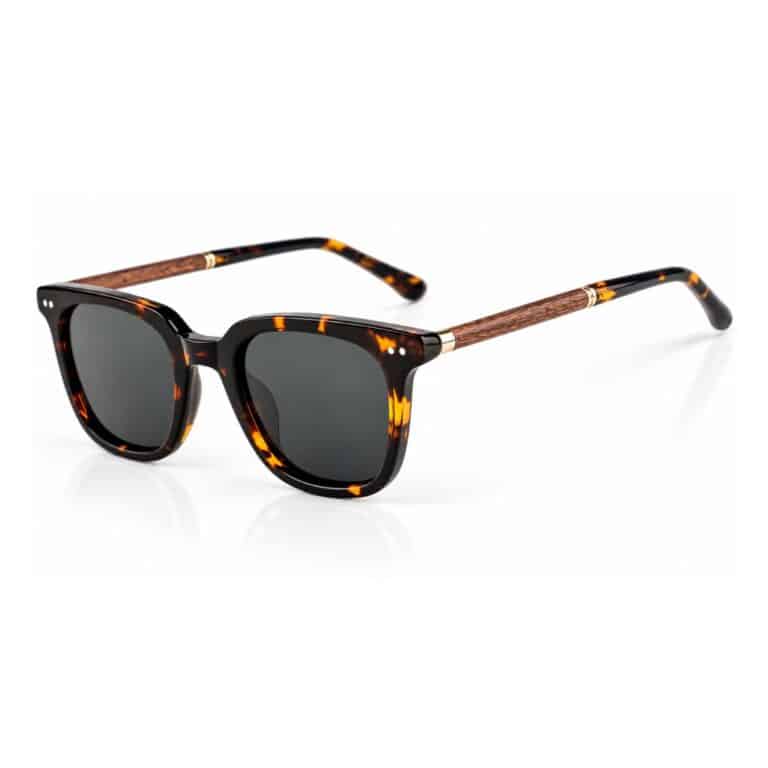
How to choose sunglasses for your face shape
Round, oval, square or heart-shaped face? One simple rule, three measurements to check and a few tips on colours to find sunglasses that really suit you.
Read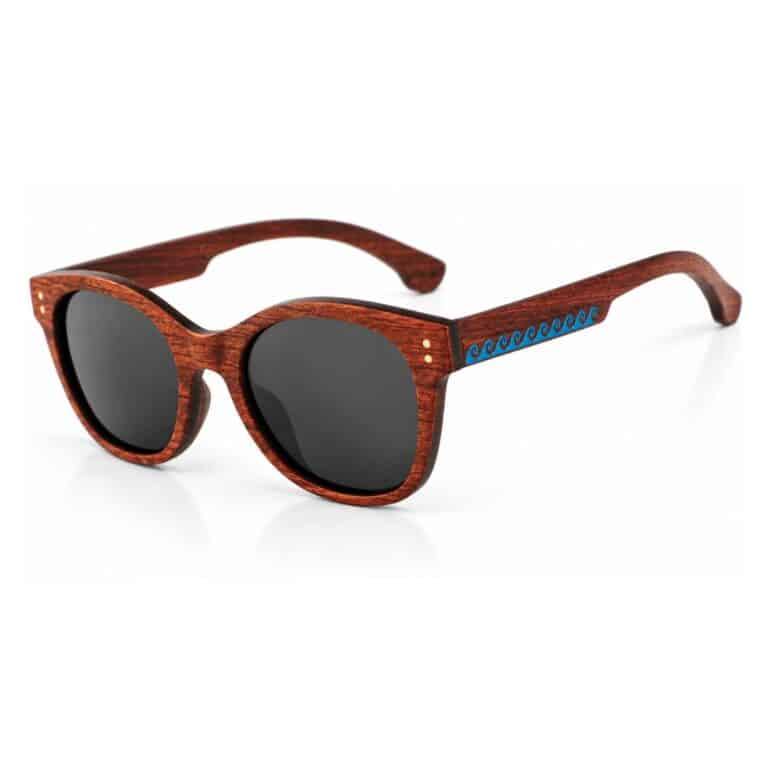
Wooden sunglasses: how to care for them and how long they last
Wood is a living material: with a few simple habits your sunglasses stay beautiful for years. Here’s how to clean them, store them and what to avoid.
Read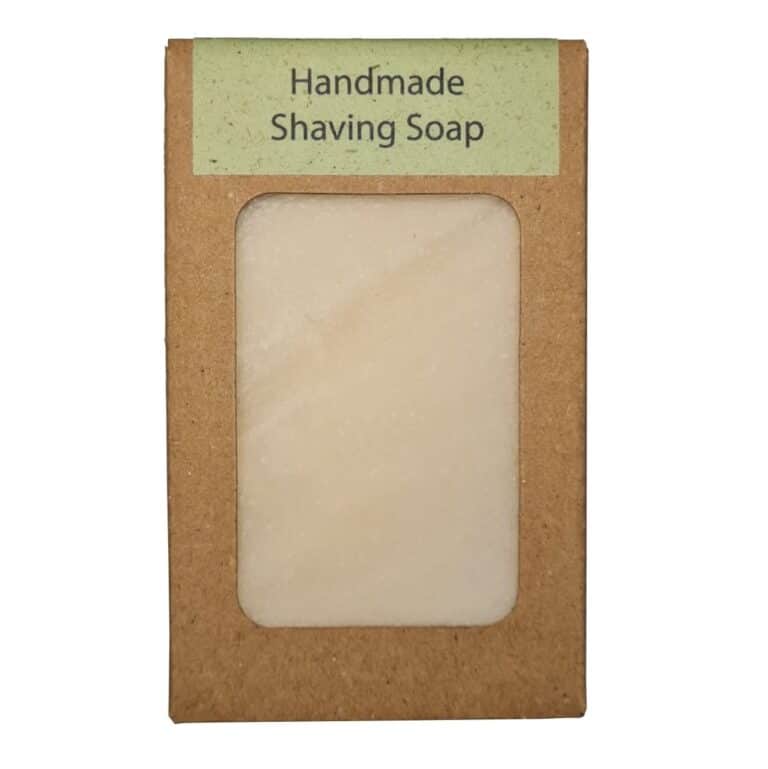
Shaving with shaving soap: a step-by-step guide
Fewer aerosol cans, more ritual. How to use a solid shaving soap, how to build a creamy lather and which mistakes to avoid for a smooth, irritation-free shave.
Read