

Blog · Mind & body
Walking barefoot: benefits and how to start
Feeling earth, grass, stones and even snow under your feet. Why walking barefoot is so good for us, how to get used to it step by step and when it’s better to put your shoes back on.
Why take your shoes off
We spend almost our whole lives with our feet shut inside shoes. Yet the foot has 26 bones, dozens of joints and thousands of nerve endings made to feel the ground. Walking barefoot is one of the simplest ways to reconnect with Nature – and it’s a fixed part of our routine, together with cold and breathing.
In the video below we walked for about 50 minutes shirtless and barefoot at -7 °C. That’s not where we recommend starting, but it shows how much the body can adapt with practice and calm.

Watch more on our YouTube channel.
The benefits of walking barefoot
- Stronger feet: without the support of a shoe, the small muscles of the foot and ankle get to work.
- Balance and awareness: your foot “reads” the ground and your body learns to react better.
- A more natural gait: you take shorter, softer steps and land less on your heel.
- Presence: every step needs attention. It’s a simple form of moving meditation.
How to start, step by step
- Start at home and in the garden, a few minutes a day.
- Choose soft ground: grass, sand, packed earth. The beach is perfect.
- Build up slowly: feet and skin need weeks to adapt.
- Watch where you step: glass, thorns and hot asphalt are the real enemies.
- Listen to your body: slight soreness is normal, pain is not.

Watch more on our YouTube channel.
Barefoot in the cold
Barefoot on snow? Yes, but only for a few minutes and with experience. Cold reduces sensation and feet can get frostbite without you noticing. Always keep moving, have warm socks and shoes ready and go inside straight away if your toes turn white or numb. If you have circulation problems, diabetes or other conditions, talk to your doctor first.
One more exercise: the Sadhu Board
If you want to train your feet at home too, try the Sadhu Board: standing on nails is an intense exercise in breathing and focus. Our Sadhu Board guide explains how to start.

From our shop
Sadhu Board – nail board
- Mango wood
- 1 cm between nails
- For bare feet, breathing and focus
And if you want to try a barefoot trail in Nature, the Retreat Zentrum at the Landhotel Altes Zollhaus in Germany has a barefoot path, forest bathing and Wim Hof Method weekends.

Ice bathing at the Zollhaus
Try it with us at the Landhotel Altes Zollhaus
Our guided ice baths take place at the Landhotel Altes Zollhaus in Germany’s Ore Mountains: in the forest lake next to the hotel or in an ice-cold tub.
- Wim Hof Method weekends with certified instructors
- Breathing, ice baths and mindset
- Four saunas to warm up afterwards
Frequently asked questions
Is walking barefoot good for you?
For many people, yes: it strengthens the foot muscles, improves balance and makes walking more natural. But it should be done gradually and on safe ground.
How long should I walk barefoot at first?
A few minutes a day on soft ground such as grass or sand. Build up slowly over several weeks.
Can you walk barefoot on snow?
Only for a few minutes, while moving and with experience. Go inside straight away if your toes turn white or numb.
Who shouldn’t walk barefoot?
People with diabetes, circulation problems, foot injuries or other conditions should ask a doctor first.
Live Nature
From reading to adventure.
Join our outdoor events or discover the projects we carry out in Sicily and beyond.
Keep reading
More stories from Nature
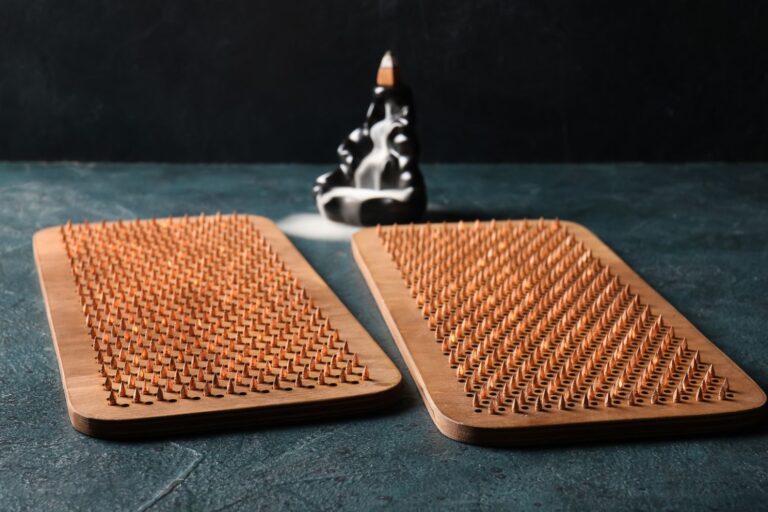
Sadhu Board: Benefits, How to Use It and Who It’s For
What a Sadhu board is, what the benefits of a nail board are and how to start using one safely. Our complete guide, with answers to the most frequently asked questions.
Read
Reconnecting with nature with the Wim Hof Method
What is the Wim Hof Method and how does it work: breathing, cold and mental strength to reconnect with nature and with yourself. Discover the benefits and how to get started.
Read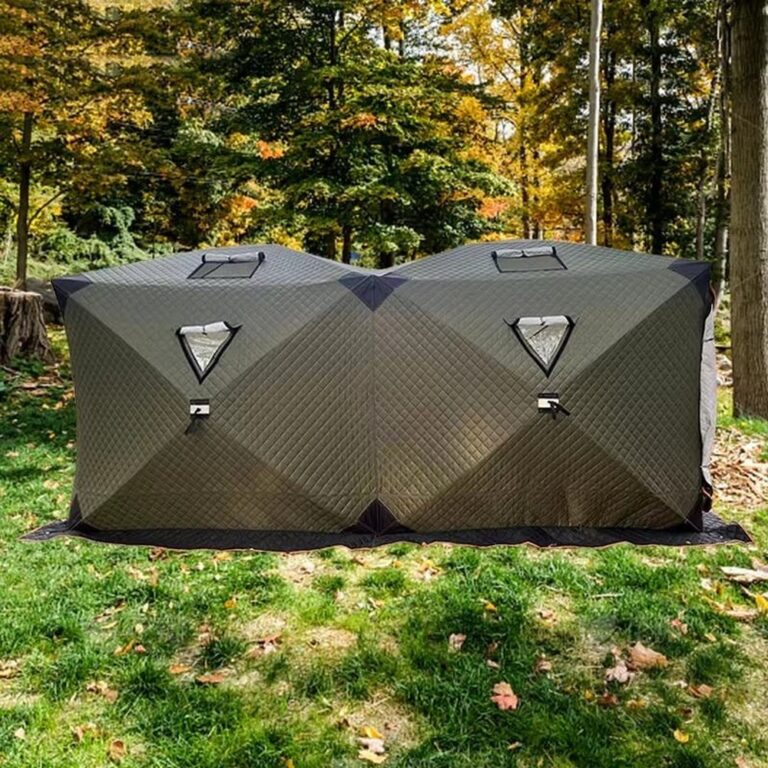
Sauna and cold water: why alternate them and how to do it
From the dry heat of the sauna to an ice-cold lake, then back into the heat: a Nordic tradition that is winning over the South too. How a full round works and what to know before you try.
Read