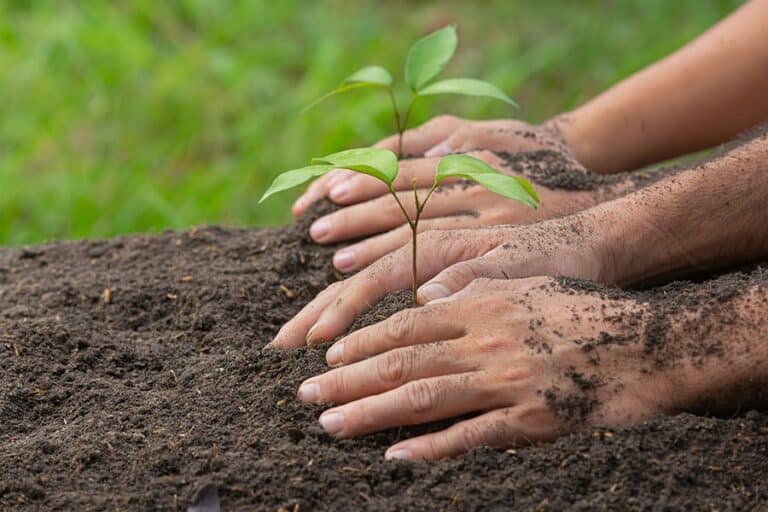
A sustainable vision
We teamed up with Hotel Kalura in Cefalù, where sustainability is at the heart of every project. In this video, we take you behind the scenes of an exciting eco-friendly initiative: building raised vegetable beds using recycled materials. Here’s how we transformed old shutters into practical and sustainable gardening solutions.
Instead of throwing them away, we turned them into the structure of our raised vegetable gardens. The first prototype demonstrated the potential of this idea: stable, durable and ready to welcome new life.
With over 30 old panels available, our aim is to create 15 raised vegetable beds across the property. These beds will be home to vegetables that thrive in the Sicilian climate all year round, even in winter. Through this project, we hope to inspire others to discover the beauty of recycling and sustainable living.
New Adventures Coming Soon
This is just the beginning. Follow us for updates on how our vegetables will grow in these innovative vegetable gardens. Subscribe to our channel so you don’t miss out on more eco-friendly projects and adventures as we continue to explore sustainability in Sicily.
Partner
Event partners